
Cam Charrette won Fantasy NCAAs on 155 points having correctly called five of the seven champions.
Three other players called six. None of them won. tia and liv tied for second on 153, olinbauer sits joint fourth on 150, and every one of them read more finals correctly than the champion did.
That is not a fluke. It is exactly what this scoring system rewards, consistency.
The final top five
| Rank | Player | Points | Champions picked |
|---|---|---|---|
| 1 | Cam Charrette | 155 | 5 of 7 |
| 2 | tia | 153 | 6 of 7 |
| 2 | liv | 153 | 6 of 7 |
| 4 | Finnley | 150 | 5 of 7 |
| 4 | olinbauer | 150 | 6 of 7 |
Finnley and olinbauer tie on 150 for fourth. Note the champions column before reading on. Cam won with the fewest correct champions in the top five. Three of the four players behind picked more.
What actually won
Seven scoring finals, four clear program stories.
| Event | Champion |
|---|---|
| DIV III: I Eight | Tufts |
| DIV III: II Eight | Tufts |
| DIV II: Eight | Western Washington |
| DIV II: Four | Western Washington |
| DIV I: I Eight | Texas |
| DIV I: II Eight | Stanford |
| DIV I: Four | Texas |
Tufts swept Division III. Western Washington swept Division II. Division I was the only contested ground: Texas took the I Eight and the Four, Stanford took the II Eight. The whole top five read the lower divisions correctly. The race for the title was run entirely inside Division I, and inside Division I it came down to two boats.
How the title was decided: two Division I races
Start with how little separated the leaders. tia and liv made identical cards and finished identical on 153. Cam beat them by two points. The entire margin lives in two races.
DIV I: I Eight (Texas won). tia, liv and Finnley all picked Texas and banked the full 25. Cam picked Stanford, who finished second for 15. Cam lost 10 points to the field here.
DIV I: Four (Texas won). Cam picked Tennessee, who finished second for 15. tia and liv picked Stanford, who finished fifth for 3. Finnley and olinbauer were the only players in the top five to pick Texas, and took the full 25. Cam beat the tia and liv pair by 12 points in this single race.
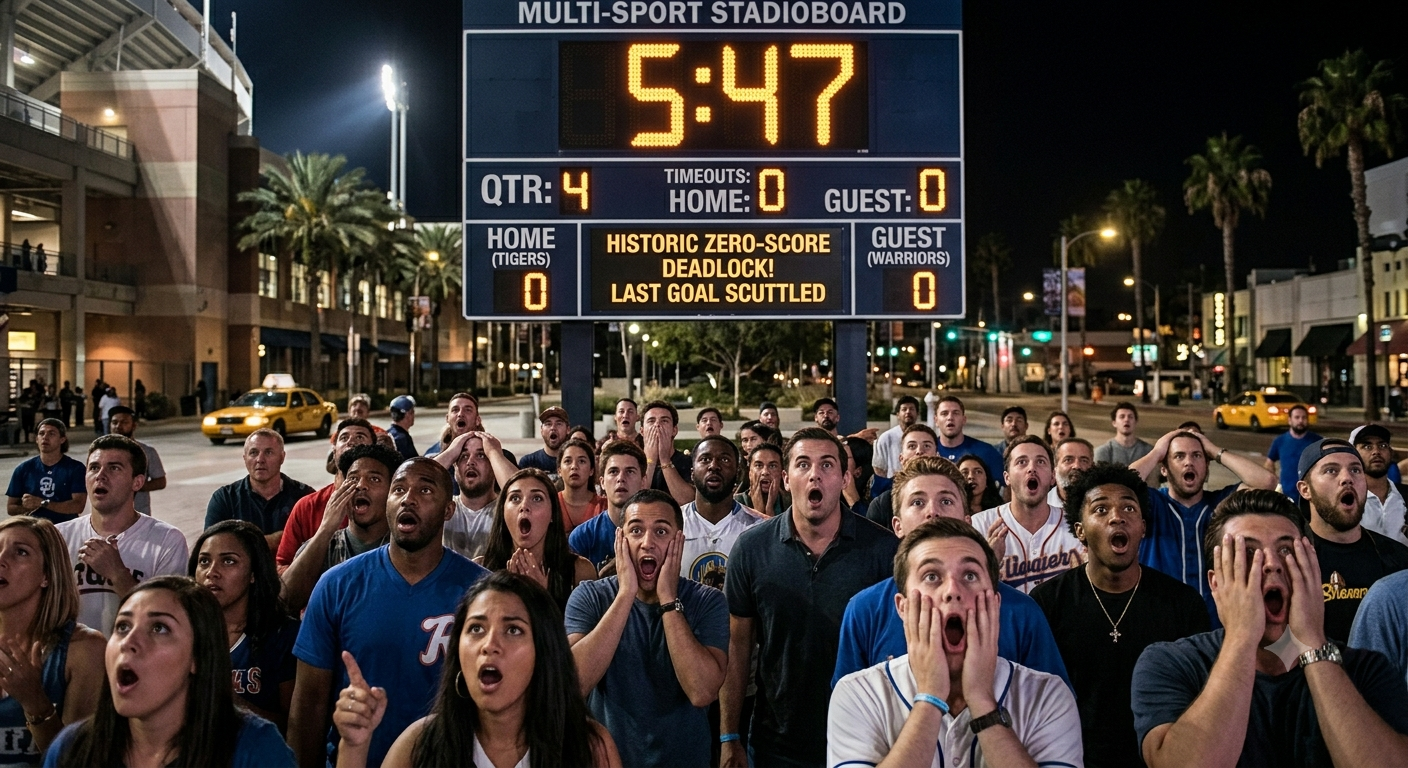
Net those two together: Cam dropped 10 in the I Eight and gained 12 in the Four. Plus two points, first place. tia and liv got the more famous result right (Texas in the I Eight - 5:47!!!!) and lost the regatta in the Four, where their Stanford pick fell off the podium entirely.
Why six winners lost to five
This is the part worth understanding, because it is the whole game. Points here are awarded by where your picked crew finishes: 25 for first, then 15, 10, 6, 3, 1. You do not need your crew to win. You need it to finish high.
That changes everything about what a "wrong" pick costs. Cam's two misses were Stanford in the I Eight and Tennessee in the Four. Both finished second. Each was worth 15 points. Cam was wrong twice and barely felt it, because being wrong meant being beaten by a length, not being out of the picture.
tia and liv were wrong only once, in the Four. But their miss, Stanford, finished fifth. Worth 3 points. One bad miss into the back of the field cost them more than Cam's two near-misses combined.
olinbauer is the purest version of the same trap. olinbauer called six of the seven champions, the most of anyone in the field, and still finished joint fourth on 150. The reason is a single pick: Washington in the Division I II Eight, a crew that did not even make the scoring places in that final. That pick was worth zero. Six correct champions at 25 points each is 150, and the seventh race added nothing. olinbauer out-picked everyone on winners and it bought joint fourth.
So the scoreline reads like an upset (five winners beats six, three times over) but the logic is airtight. Cam played the percentages.
Joint fourth: two roads to 150
Finnley and olinbauer both finished on 150, and they got there by opposite routes.
Finnley picked only five champions but spread the damage. Finnley was one of two players to pick Texas in the Division I Four, the race that decided the top of the board, and that 25-point call is among the best of the regatta. But two earlier picks leaked points: William Smith in the Division III I Eight, who finished third for 10, while everyone else took Tufts for 25; and Texas in the Division I II Eight, who finished second for 15, while everyone else took Stanford for 25. Both misses still scored, but giving away 25 points against the field on the consensus events meant the Four win only clawed back to 150.
olinbauer did the reverse. olinbauer picked six champions, more than anyone, and also nailed Texas in the deciding Four. But the one race olinbauer missed, the Division I II Eight, was a total blank: Washington did not place, and the pick scored zero. Five clean wins plus the Four, and one empty box.
Same final score, two completely different shapes.
Be right or be close beats be right or be nowhere.